Indra's Net Visualizer. Seeing a state of mind as light.
#visualization#psychology#AI#metaphor
- Role
- Researcher and builder
- Years
- 2022 to 2025
- Status
- Prototype built, thesis and paper published
Light as the language
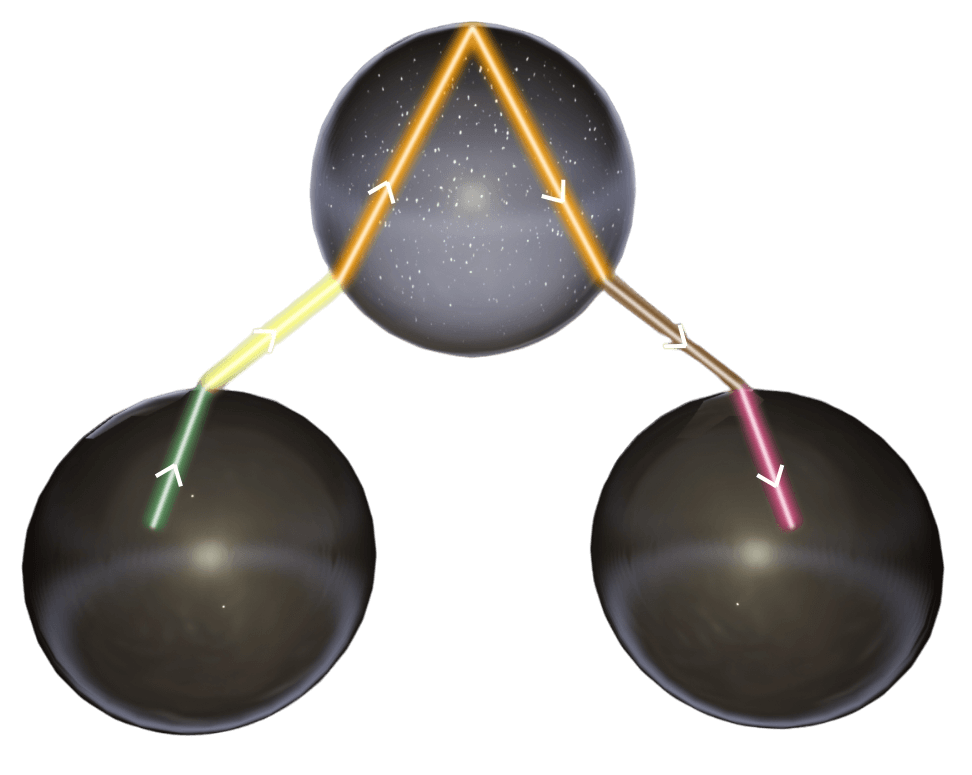
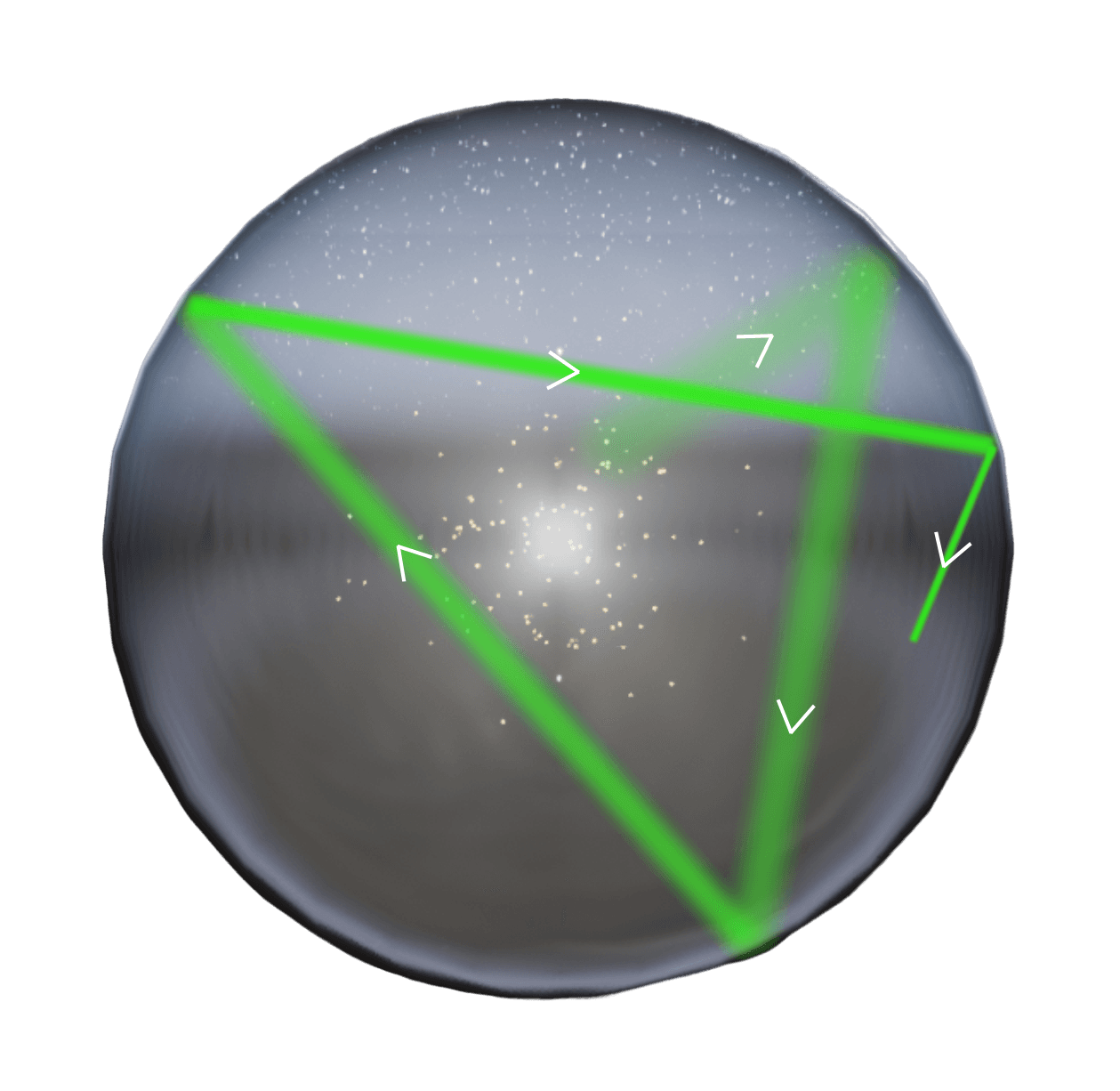
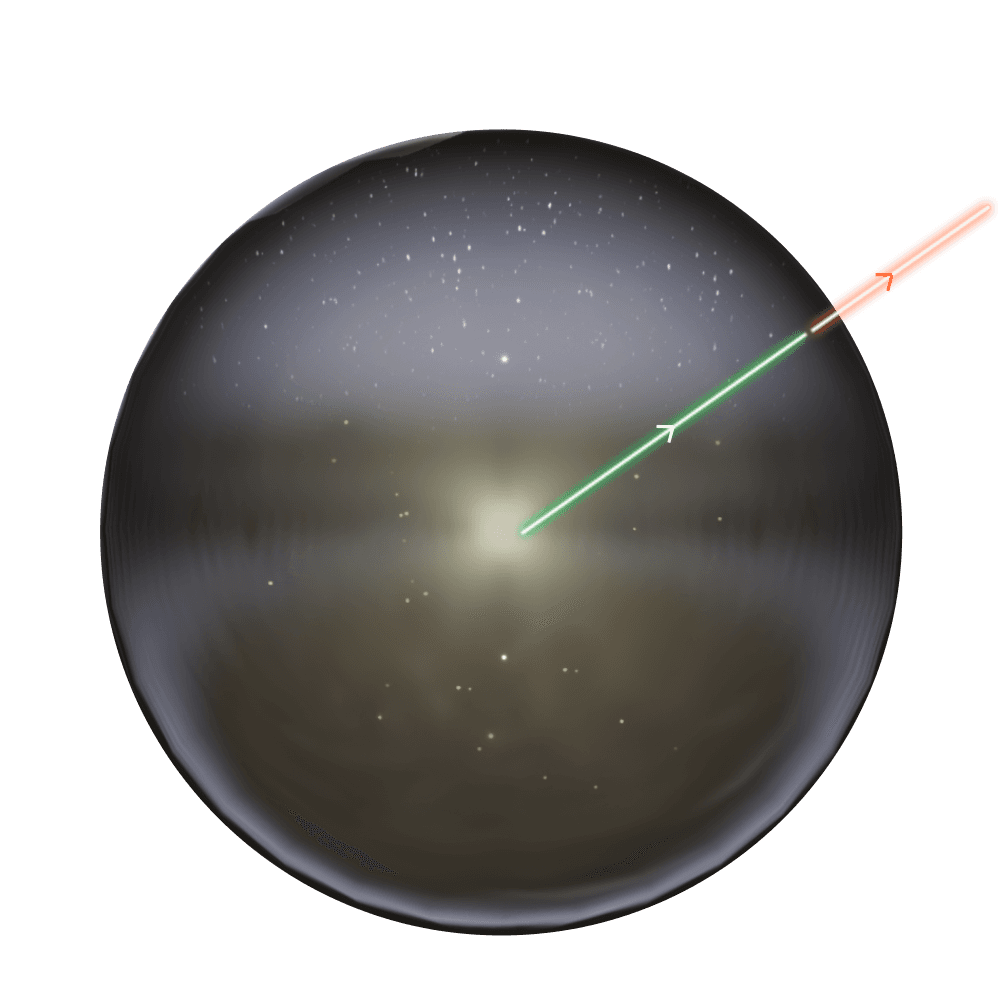
Inner states are drawn as light. Its intensity, colour and reflections stand in for energy, mood and focus.
A vessel for the self
Concentric shells hold the inner light. Openness, withdrawal and centredness show up in how much light gets out and where it sits.
Change one thing, watch the rest
Every state is a setting you can move in real time, so you see how one change shifts the whole picture.
Words in, vessel out
GPT-4 reads what a person writes and sets the vessel through function calls, so nobody has to tune sliders by hand.
Overview
Indra's Net is an interactive digital platform that brings the Buddhist allegory of Indra's Net to life. By representing your "inner light" (prana) as beams, reflections, and vessels, it makes psychological states (openness, arousal, repression, creativity) visible and manipulable. This intuitive visual language helps users explore their past, present, and possible future selves.
The Problem
- Intangibility of mental states. Emotions and thought processes are inherently abstract, making self-reflection and emotional regulation challenging.
- Lack of intuitive tools. Existing well-being apps rely on text or static diagrams, losing the richness of metaphorical insight.
- Barrier to self-understanding. Without a tangible frame of reference, people struggle to grasp how different aspects of their psyche interact.
Our Solution
Indra's Net Visualizer leverages the optics of light to depict cognitive and emotional processes:
- Inner Light (IL). Represents your core vitality; intensity and color convey energy and mood.
- Concentric Shells. Symbolize layers of the self; reflections inside a shell model focused thought.
- Arousal Sparks. Flickering particles show varying levels of arousal or calm.
- Dynamic Metaphors. Repression, rumination, creativity, openness, and deception each have unique light-based animations you can adjust in real time.
Objectives
- Build the platform. A tool people can use to look at their inner lives and work on their wellbeing, with no artistic skill needed.
- Test it properly. Measure whether it actually improves self-awareness and emotional wellbeing.
- Learn from the data. Use what people do in it to understand mental health better, including what visualization and story add.
What the Prototype Does
- A web of vessels. A session opens on a huge web of connected vessels, one per person, with light passing between them. You zoom in on your own. It's a reminder that you're one of many, and that each person's state affects the people around them.
- A guide on the first visit. An interactive guide shows how each state is drawn and how to read it, with worked examples. After the first session you can skip it.
- People and scenarios. Add a person as a mental model (yourself, or someone in your life), name them and save them. Then put several people into a scenario and build the interactions between them.
- Words in, vessel out. Describe what's going on in plain text and GPT-4 sets the vessel's parameters through function calls. You can then adjust the result by hand in real time.
My Role & Research
Indra's Net began in Dr. Liane Gabora's lab at UBCO. Earlier versions were built in Visual Studio, in Unity (2D only) and in Unreal Engine 4. I joined in 2022, built a new prototype on Unreal Engine 5.3, added the GPT-4 layer, and wrote my master's thesis on the work. A paper with Dr. Gabora in Leonardo came out of the same project.
- Project home at UBCO
- Thesis in the UBC library
- Publication in Leonardo (MIT Press)